
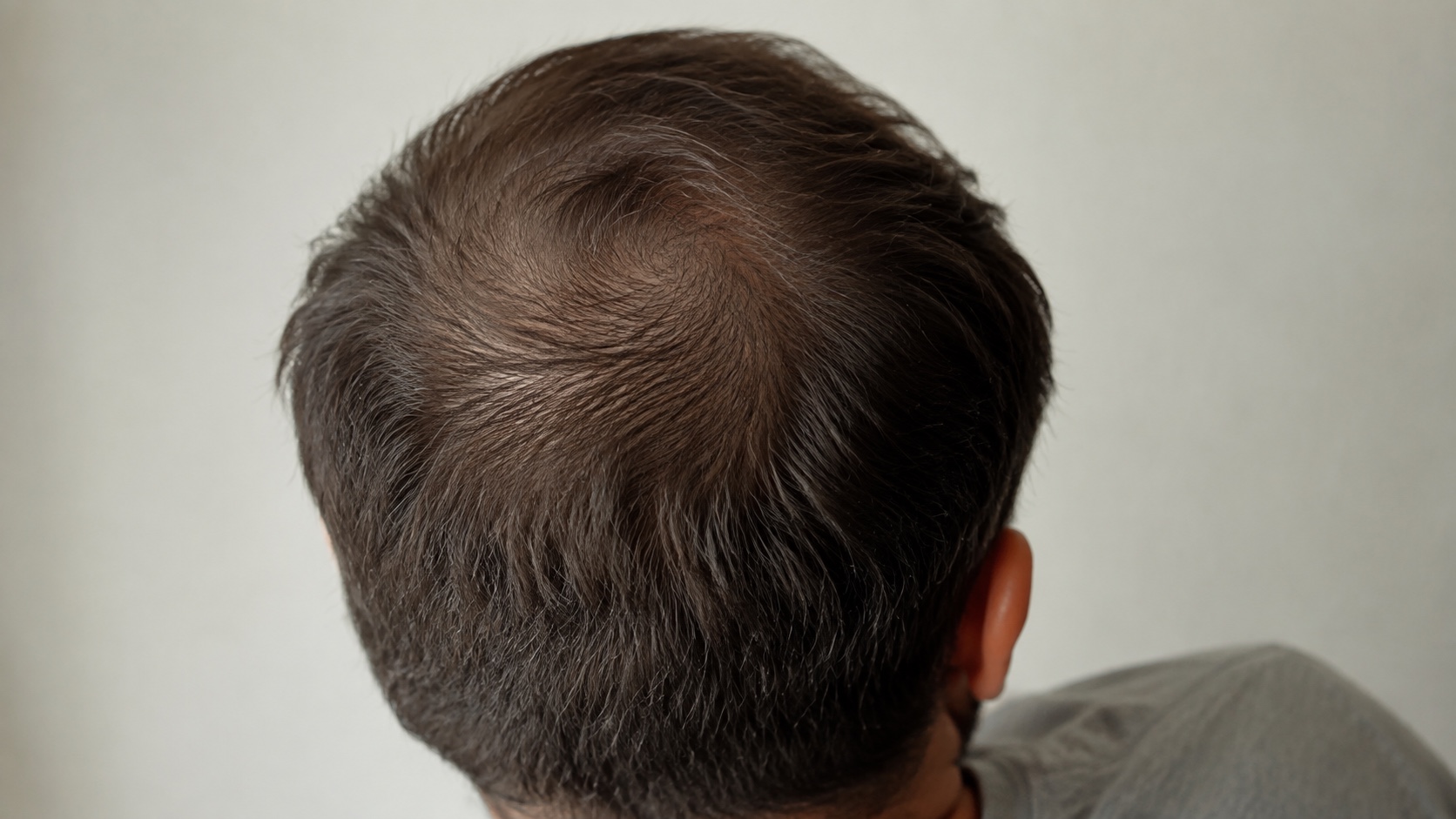
What is finasteride used for?
Finasteride is used for male pattern hair loss and, in a different strength, for an enlarged prostate. In the UK, treatment for hair loss requires a private prescription. It is not suitable for everyone and is generally not recommended for women.
Hair-loss medicines do not work for everyone. Any benefit usually depends on continuing treatment. Discuss realistic expectations and how progress will be assessed before starting.
Understand the safety warnings
The MHRA updated its advice in May 2026. Finasteride is associated with depression, suicidal thoughts and sexual side effects. Sexual side effects may continue after treatment has stopped.
Tell your prescriber about any history of depression or suicidal thoughts. If you take finasteride 1 mg for hair loss and develop depression or suicidal thoughts, the MHRA advises stopping it and contacting a healthcare professional as soon as possible. Seek urgent help if you feel at immediate risk.
Contact your prescriber about sexual side effects, including reduced desire or difficulty with erections. Read the patient leaflet supplied with your medicine.
Questions for your consultation
Ask what diagnosis explains your hair loss, what alternatives are available, what monitoring is needed and when to review the decision. Bring a list of your medicines and relevant health history.
This page is general information, not an offer to supply finasteride or a recommendation to start it.
Sources and further reading
This article provides general information and does not replace an individual medical assessment, diagnosis or treatment recommendation.